

Real-time server integrity tools track file changes, configuration drift, and audit events instantly, helping teams detect tampering, prove compliance, and speed incident response.
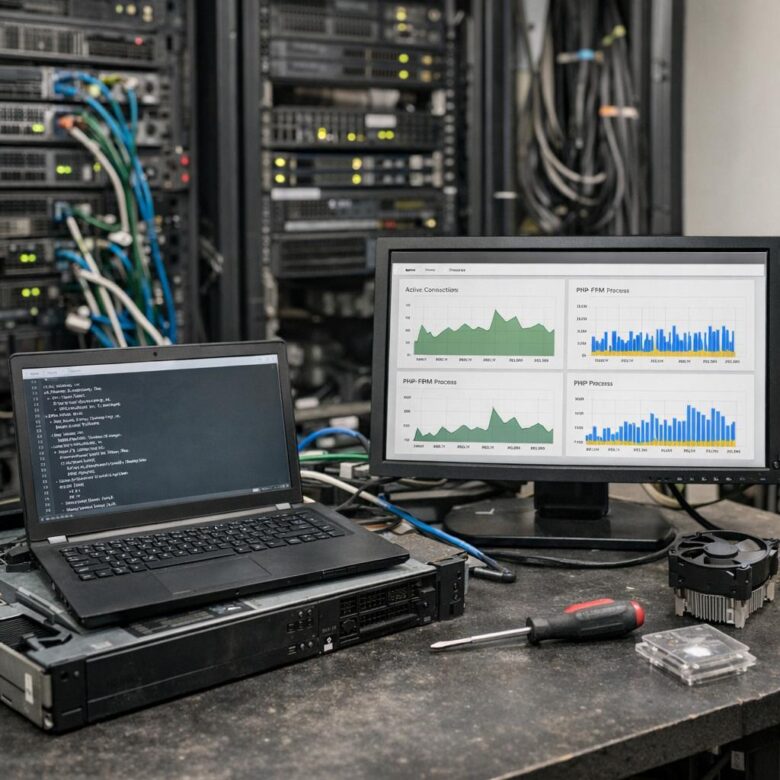
Optimize PHP-FPM for high-concurrency WordPress by tuning pm.max_children, pm.max_requests, and dynamic pools to match RAM, CPU, and traffic spikes without exhausting memory.

Fix memory leaks by tracking VM RSS growth, isolating noisy processes, updating hypervisors and guest tools, then setting alerts, limits, and scheduled restarts as temporary safeguards.

Optimize Nginx for microsecond latency: tune workers, enable keepalive, streamline TLS, cache static assets, and profile upstreams with precise metrics at every step.

DDoS-ready private clouds use layered filtering, rate limits, traffic baselining, scrubbing integration, and tested incident runbooks to contain attacks fast.

Multi-regional disaster recovery starts with mapping critical workloads, setting RTO/RPO targets, replicating data, automating failover, and testing runbooks regularly.

Configure HSMs by defining key policies, access controls, and audit logging, then integrate with encryption services using secure APIs and routine key rotation.

Optimize bare metal databases by tuning BIOS, isolating CPU cores, using NVMe RAID, aligning I/O schedulers, and monitoring latency to sustain peak traffic.

Zero-trust remote administration verifies every session with MFA, device posture checks, least-privilege roles, and just-in-time access, reducing exposure of critical servers.

Advanced SSH hardening protects Linux servers by disabling root login, enforcing key-based MFA, restricting users, rate-limiting attempts, and auditing ciphers.